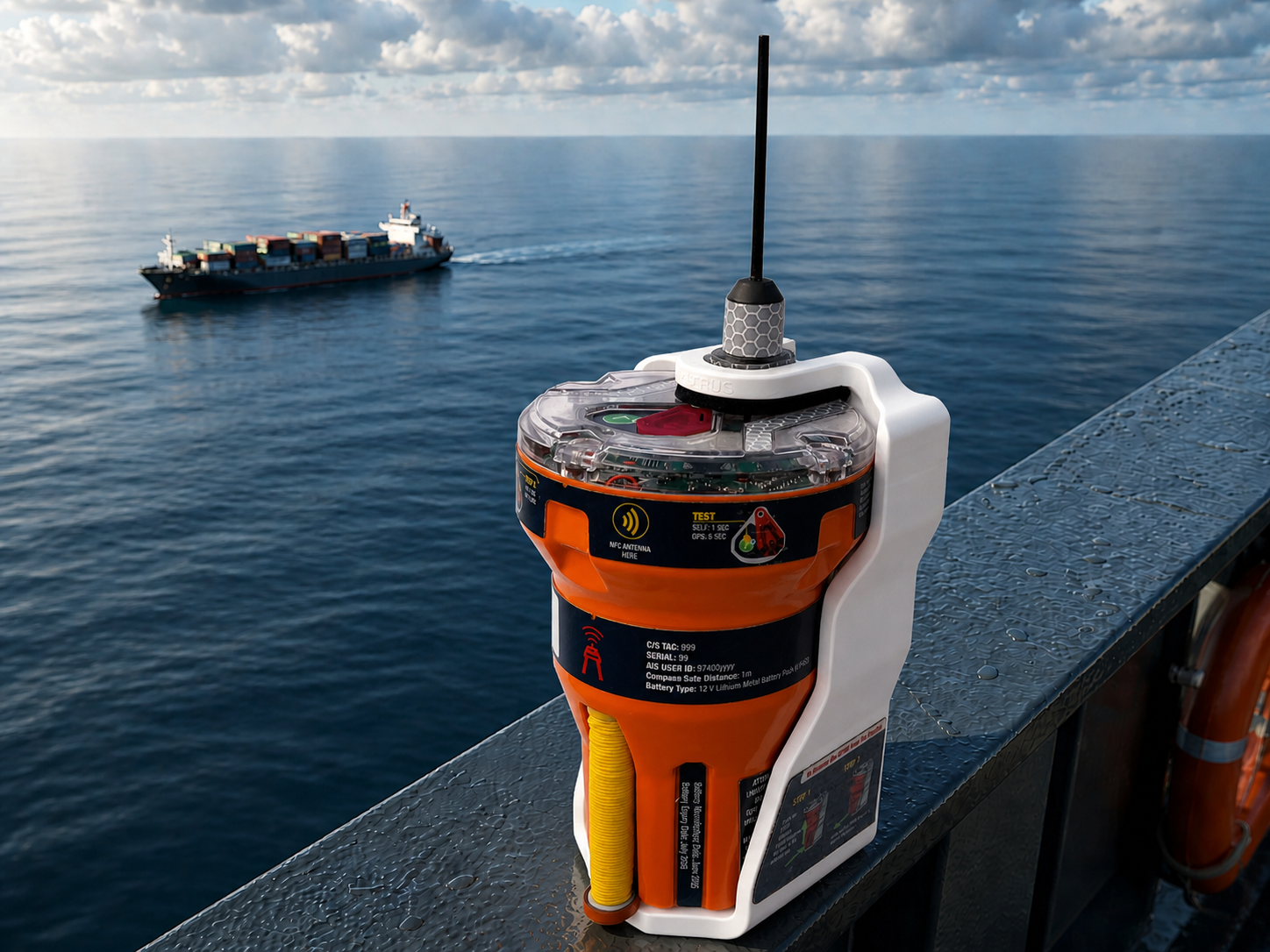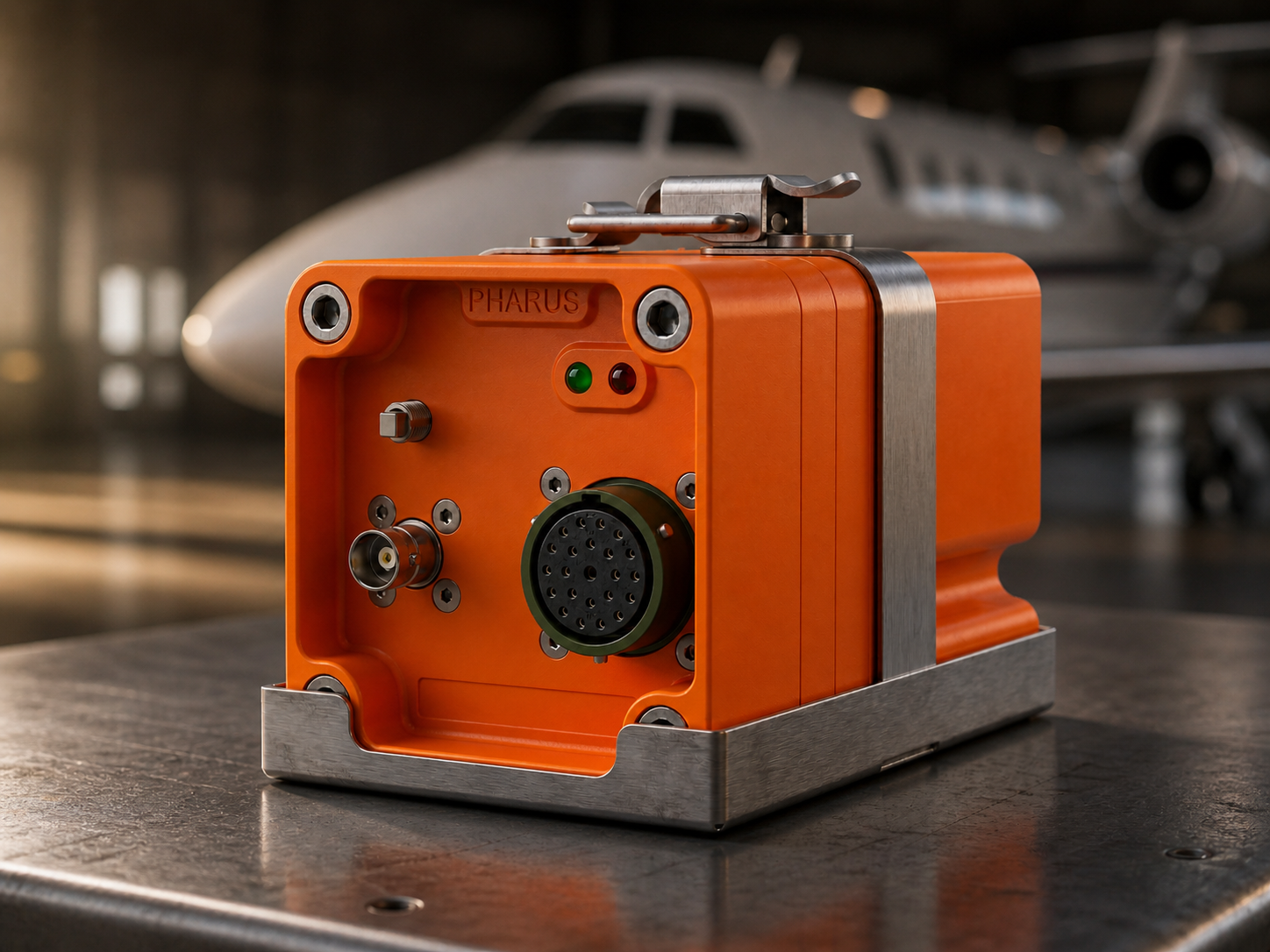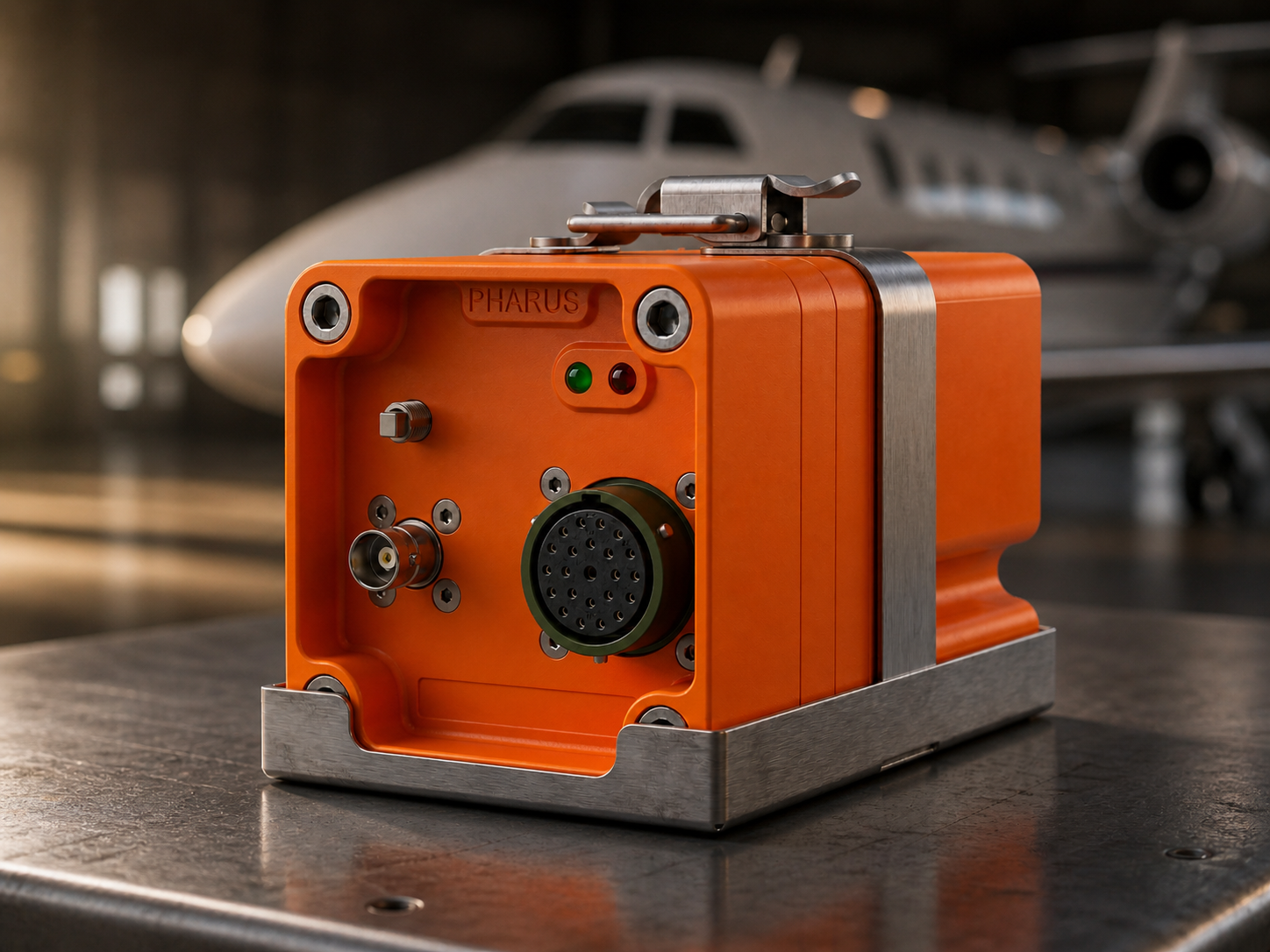
Emergency Locator Transmitter (ELT) devices are the version of Emergency Locator Transmitter equipment used in aircraft. For information about Emergency Locator Transmitter devices, see here.
ELT devices are satellite communication devices that are mandatory on manned aircraft under international civil aviation regulations, aiming to transmit position and identity information to COSPAS–SARSAT satellites when emergency assistance is needed in helicopters or aircraft, enabling search and rescue teams to arrive without delay. In an emergency, ELT devices can be manually activated by the aircraft crew, or automatically activated when crash acceleration is detected by the ELT. The ELT AF/AP Didyma being developed by Pharus Tech does not only send signals to satellites; it also provides urgent distress calls to nearby radio receivers through terrestrial broadcasting.
ELT AF/AP Didyma has been designed according to the most current aviation standards: In light of these standards, it has the capability to make distress calls to short-range radios by providing audio sweep tone signals on 121.5 MHz and 243.0 MHz channels, as well as sending Distress signals containing position and identity information to satellites on the 406 MHz channel. Didyma ELT, which can automatically activate by detecting the presence of a crash above a certain acceleration level, has a portable design that can be removed and carried by the crew when needed, and in this regard is an "Automatic Portable" type ELT equipment. If you would like to access more technical details about the product, you can review the brochure.
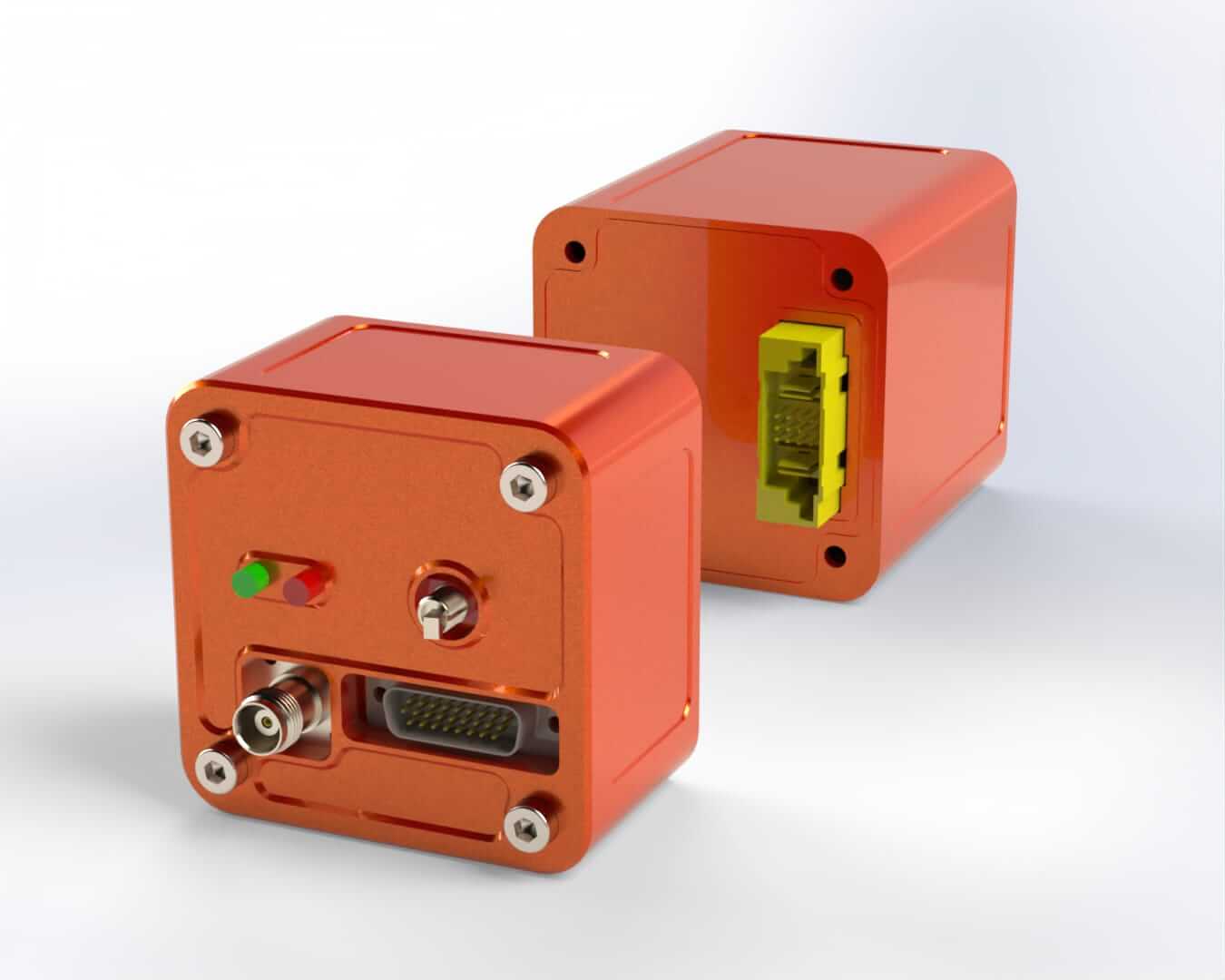 ELT AF/AP Didyma has a battery capacity sufficient for broadcasting up to 50 hours. With a 5-year lifespan, Didyma ELT batteries have a highly advantageous feature to facilitate maintenance processes for aircraft manufacturing and maintenance companies: The ELT-AP Didyma product has a modular structure and consists of two modules as can be seen in the adjacent image. The first module is the main module containing all electronic and software functions of the device; the second module is the battery module containing the device's batteries and battery management system. This way, aircraft manufacturing and maintenance companies do not need to send the equipment to the supplier when the ELT device's battery needs to be replaced or its lifecycle renewed: It is sufficient to integrate with the new battery module obtained from Pharus Tech.
Therefore, ELT AF/AP Didyma, with its modular battery design, has strived to provide its customers with the greatest convenience in "Schedule management" and "Maintenance management," which are of vital importance in the aviation sector.
In Emergency Locator Transmitter devices, the false alarm problem has been an ongoing serious issue that has been keeping national search and rescue centers occupied for years. For example, according to reports published by the Canada Mission Control Centre (CMCC) and French Mission Control Centre (FMCC), the ELT incident statistics in Canada and France over the last six months are as follows:
|
Period |
Incident Location |
ELT Actual Activation Count |
ELT False Activation Count |
People Rescued Thanks to ELT |
|
November 2024 |
Canada |
6 |
71 |
21 |
|
October 2024 |
Canada |
5 |
83 |
11 |
|
September 2024 |
Canada |
7 |
72 |
11 |
|
August 2024 |
Canada |
10 |
104 |
24 |
|
July 2024 |
France |
10 |
161 |
33 |
|
June 2024 |
France |
9 |
154 |
11 |
CMCC (Canada Mission Control Center) Activity Reports –November 2024 to January 2024 & FMCC (French Mission Control Centre) Activity Reports – July 2024 to June 2024.
As can be seen, there is a false alarm average of over 90% in ELT devices. These false alarm incidents can be caused by human factors (manual activation due to carelessness of flight crew, etc.), as well as automatic activation observed during hard landings and hard flight maneuvers. For more details about the automatic activation performance and false alarm problem of ELTs, you can review our article. In such cases, it is urgently confirmed through the aircraft crew's response via radio that the ELT was accidentally activated and that there is no emergency concerning the national search and rescue team. However, there is no doubt that this process, occurring with more than 90% frequency every month, results in very serious time loss for the relevant units and personnel. Indeed, in the 2024 – 2027 National Aviation Safety Plan published by the Australian government, reducing the false alarm problem of ELTs and the labor loss caused by false alarms has been set as one of the main objectives.
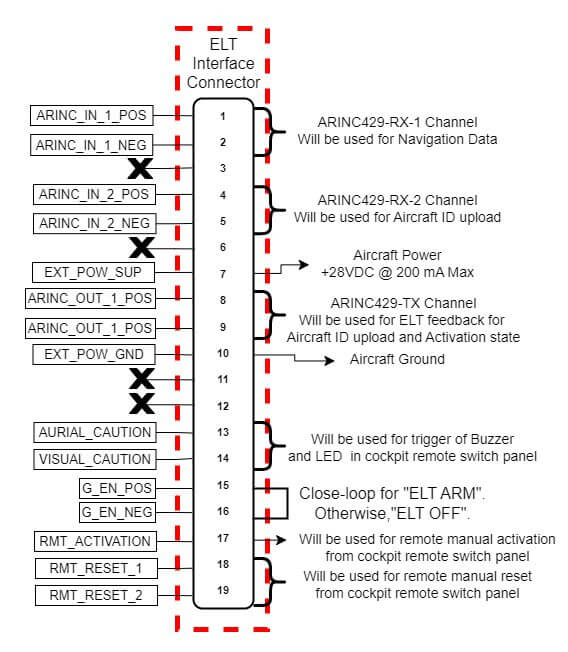
ELT AF/AP Didyma has two design innovations to minimize the false alarm problem: First, by receiving input in ARINC-429 and Discrete formats through its electrical interface, it can verify whether the aircraft has actually crashed ("isAlive" port). The second approach is the use of the most current technology G-Switches for the automatic activation feature. Thus, the probability of accidental activation at accelerations below the acceleration limit required by the standard is minimized. The ELT AF/AP Didyma equipment can receive "isAlive" information through its ARINC-429 interface, as well as current position information. The schematic of the current electrical interface in the prototype is presented alongside.
When selecting equipment to be used in aviation vehicles, the Design Assurance Level (DAL) adopted in the equipment's certification is an extremely important factor. In this context, the DAL level is determined in the equipment's certification in accordance with the DO-178 standard for software design and the DO-254 standard for hardware design, and all design – verification and quality qualification processes are shaped within this level framework. If you would like to learn more details about these aviation standards, you can review our articles on DO-178 software standard and DO-254 hardware standard. The ELT AF/AP Didyma equipment is based on DAL-D level design and the certification process is being conducted within this scope.
ELT devices are becoming increasingly critical in saving human lives as years pass. According to COSPAS – SARSAT data, 379 people's lives were saved solely thanks to ELT equipment in 206 aviation accidents that occurred last year. Pharus Tech is striving to contribute to saving human lives worldwide with the ELT Didyma product and the high quality standards adopted in its design.