What is a Distress Beacon?
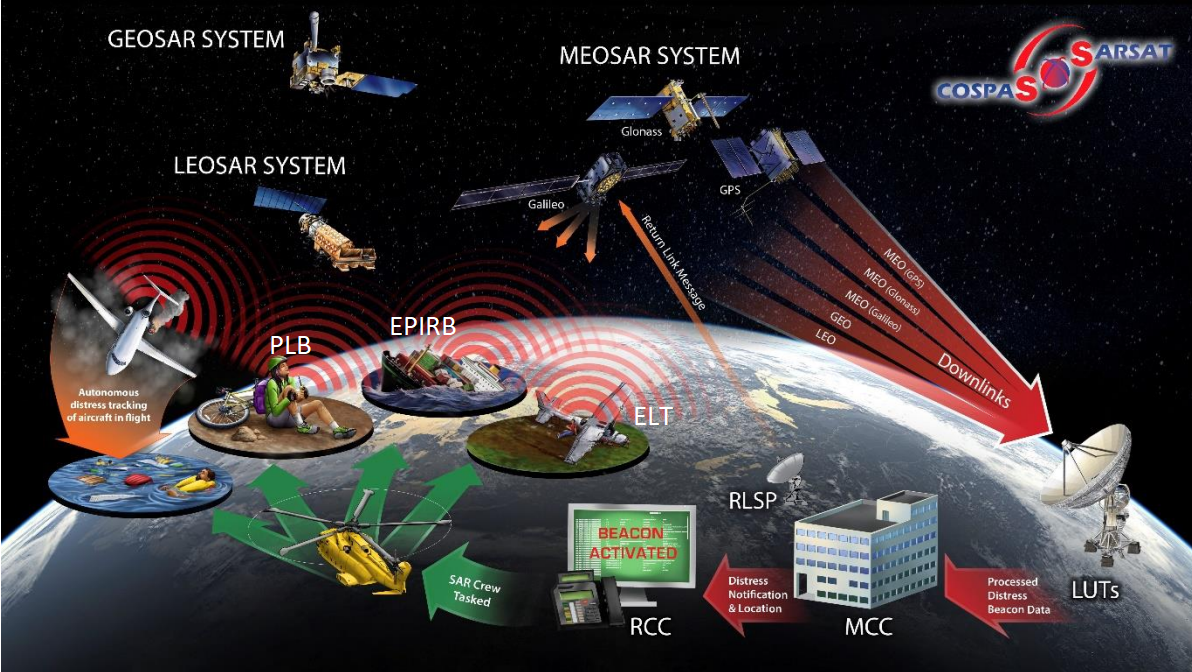
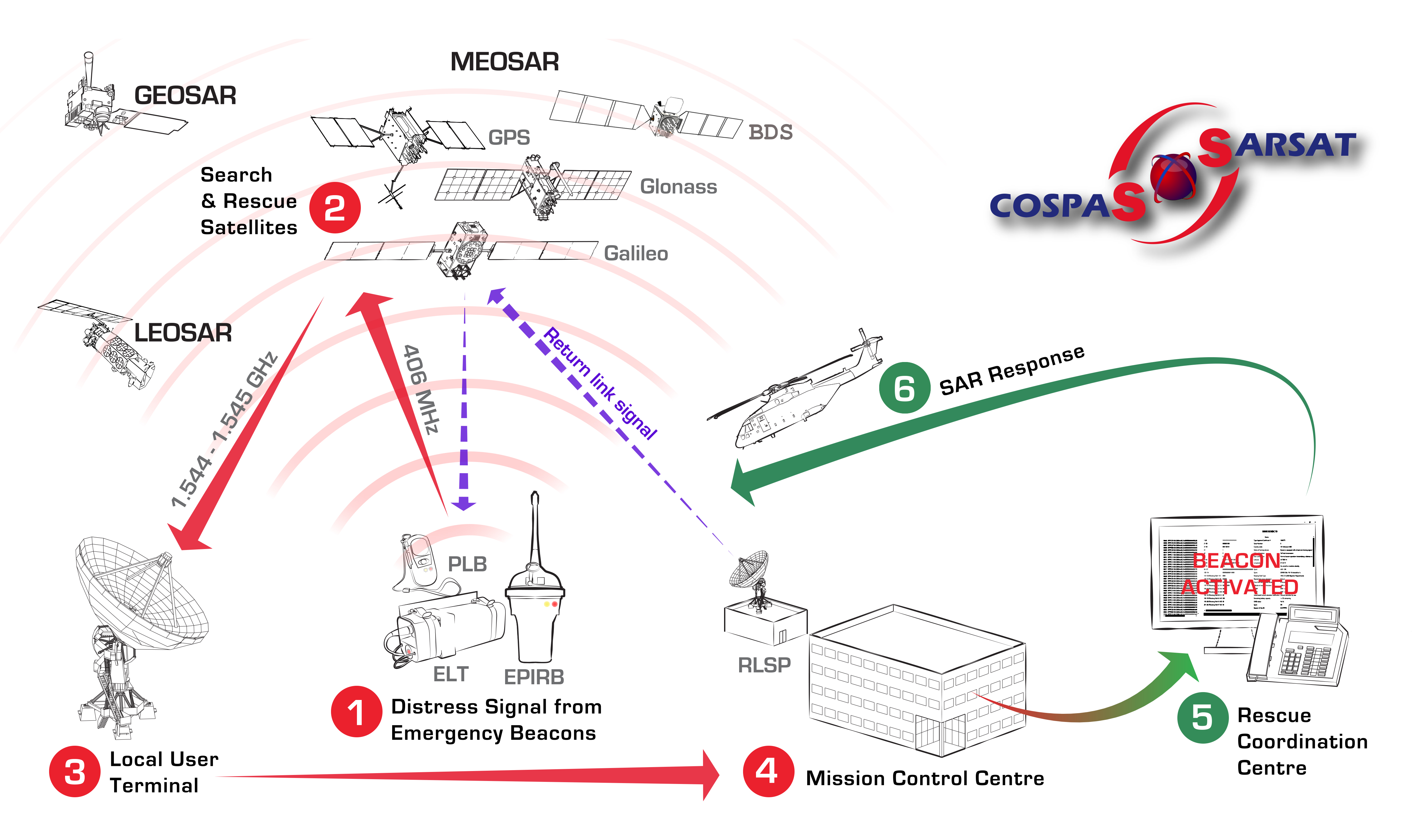
With the development of transportation vehicles, our world is getting smaller day by day. Although the level of technology increases, there is always a possibility of dangerous events occurring due to internal or environmental factors. In emergencies such as aircraft crashes, ship sinkings, or a mountaineer getting lost, the distress beacon is activated and sends a continuous signal. This signal is used by search and rescue (SAR) teams to locate the transmitter and respond to the incident immediately.
Types of Distress Beacons
Distress beacons are divided into 3 classes according to their usage areas:
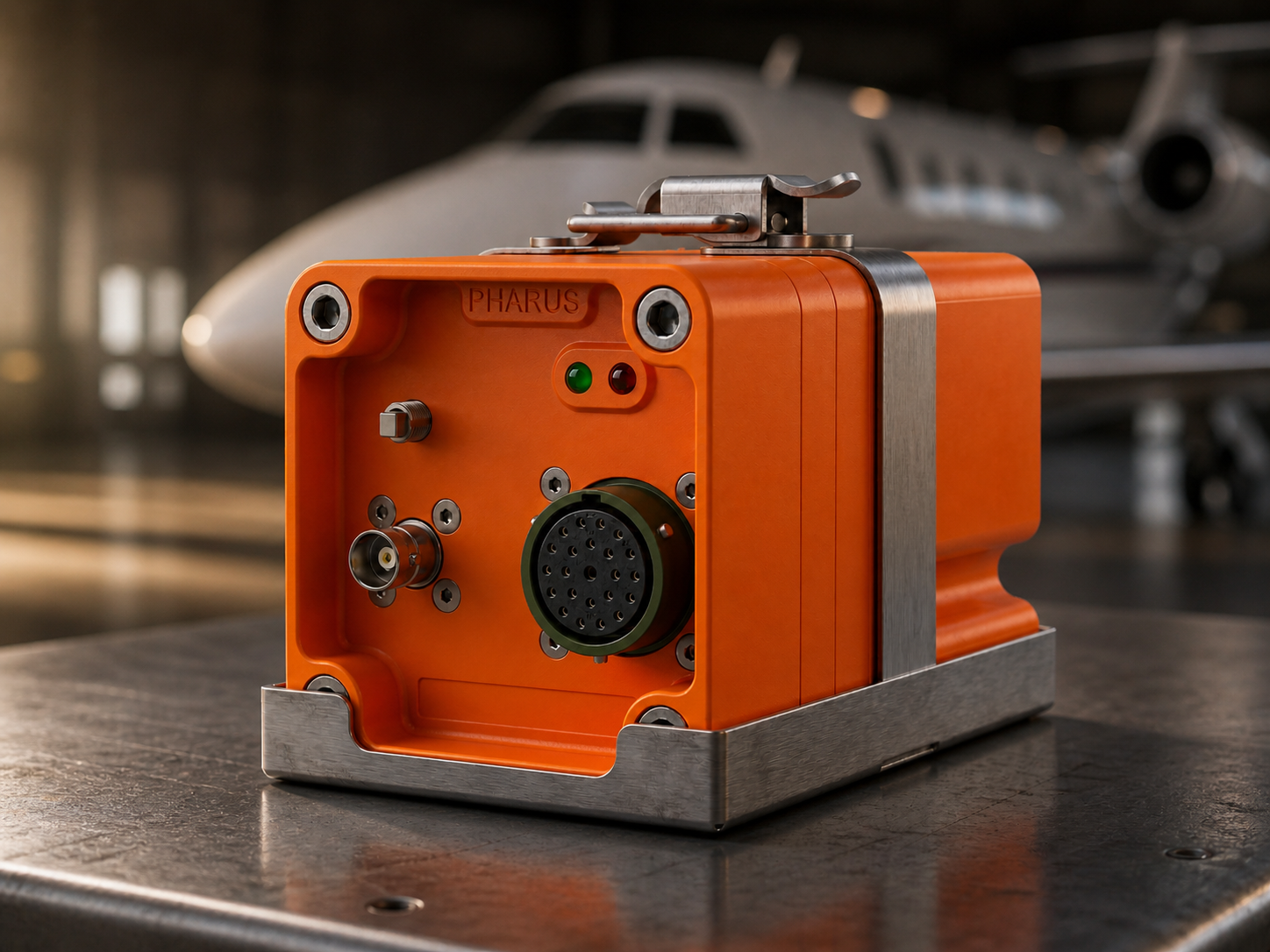
- For aircraft: Emergency Locator Transmitter (ELT)
- For personal use: Personal Locator Beacons (PLB)
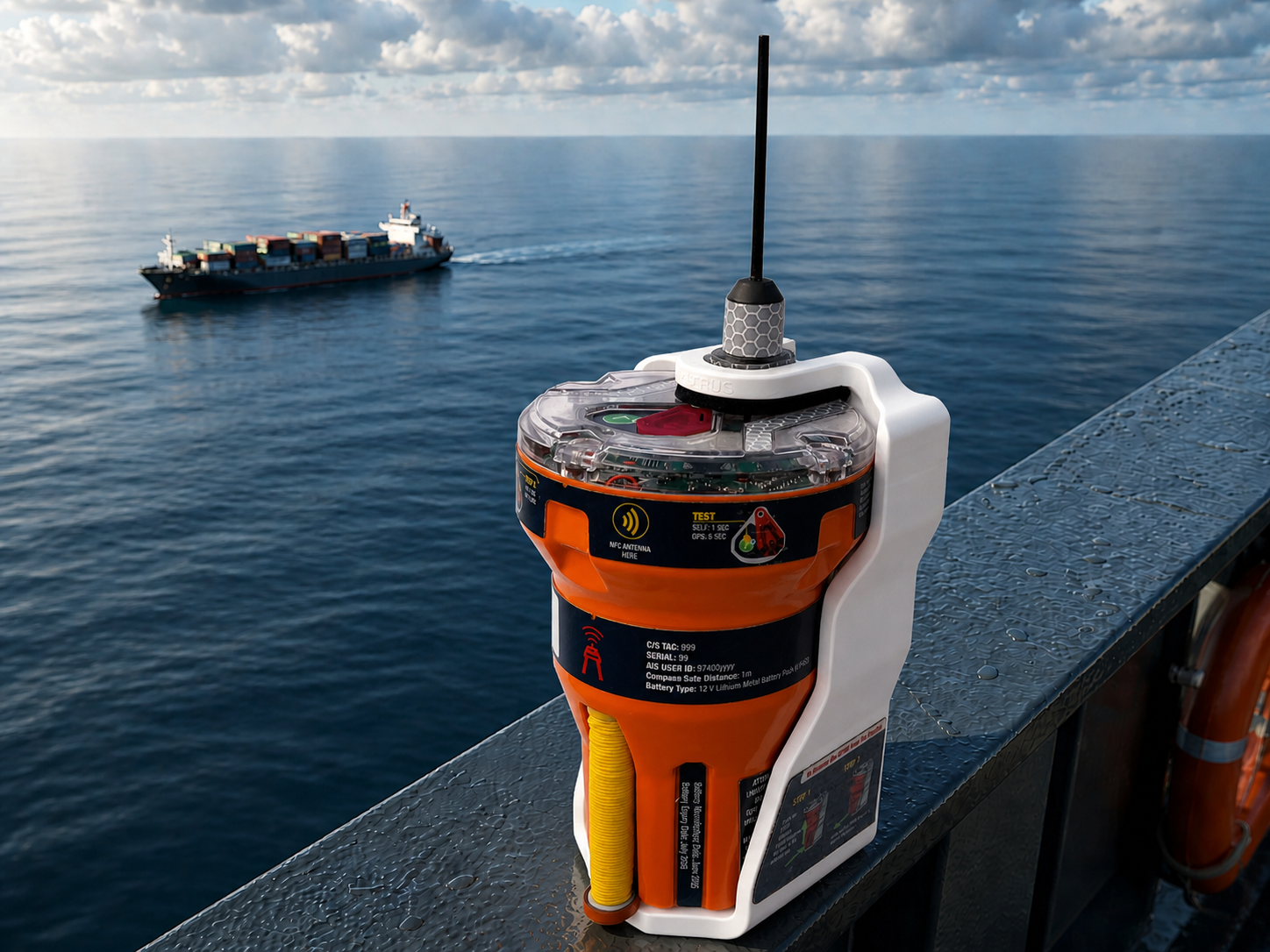
- For maritime vessels: Emergency Position Indicating Radio Beacon (EPIRB)
ELT
ELTs are devices used in search and rescue (SAR) services to provide the current position information of an aircraft in the event of a crash or serious incident. They are required by regulations to be present in aircraft. ELTs can be activated automatically or manually by the pilot. They broadcast on 121.5 or 406 MHz frequencies only in emergencies to provide position via various satellites. However, on February 1, 2009, the International COSPAS-SARSAT Program terminated monitoring of the 121.5 MHz frequency*. ELTs are required to transmit signals for at least 24 to 48 hours. In some cases, EPIRBs or PLBs can be used in place of ELTs.
PLB
PLBs are the smallest among other distress beacons and are therefore suitable for personal use such as mountaineers, terrain explorations, workers operating far from center, boat or cabin crews. PLBs are not mounted to a vehicle; rather, they belong to the user. Although they are used in many different areas, their primary area of use is on land. They have a battery life of 24 to 35 hours in activated state. In standby mode, they can last up to 5 years. However, after being activated and used, their batteries need to be replaced. Unlike other distress beacons, they can only be activated manually and can only broadcast on the 406 MHz frequency.
EPIRB
EPIRBs are devices that are activated manually or automatically in an emergency such as a ship sinking, burning, or being evacuated (for example, upon contact with water). They do not sink in water and attract attention with an alert flash. They also broadcast on 406 MHz and 121.5 MHz frequencies to be located by satellites and shore stations. It is important that they are mounted on the ship in a way that allows them to float freely, and they are registered to the ship. EPIRBs can broadcast for at least 48 hours and have battery lives of up to 10 years.
*Today, satellites do not support distress beacons that signal on 121.5 MHz. Although these transmitters can still be licensed, relying on them is quite risky. The 121.5 MHz and 243 MHz frequencies are still monitored by shore stations.